
About Us
Dogs have spent tens of thousands of years evolving alongside us…
In the last century, dogs have gone from run-of-the-neighborhood companions and working partners, to living in a modernized picture of domesticity without much of a say about what they do all day. For many dogs, human industry has outpaced dog behavioral adaptation, creating a mismatch between what they evolved to do, and what they are now expected to do in the environments they find themselves. Dogs are faced with the challenge of adapting to a world vastly different from the one they evolved to navigate.
In the last decade, our understanding of dogs’ welfare, behavior, and learning has progressed in ways that allow us to support them more thoughtfully than ever before.
The arenas of dog training and behavior consulting are facing a challenge to keep up.
At Saga Dog Behavior, we are rising to the task. We’re fostering crucial conversations, and we’re weaving values, sciences, histories, and lived experiences into a new narrative – one that offers practical, compassionate approaches to help dogs and their people thrive in relationship.
DISTILLING THE TECHNICAL
The more you know…
Saga Dog Behavior leverages a deep understanding of dog needs and natural behaviors, their emotions and cognition, as well as applied learning science. We translate this into accessible context, illuminating your dog’s big picture.
Your behavior intervention or training plan should be accessible to you, actionable, and well supported by modernized best practices.



“No one cares how much you know until they know how much you care.”
– Theodore Roosevelt
Who’s behind Saga
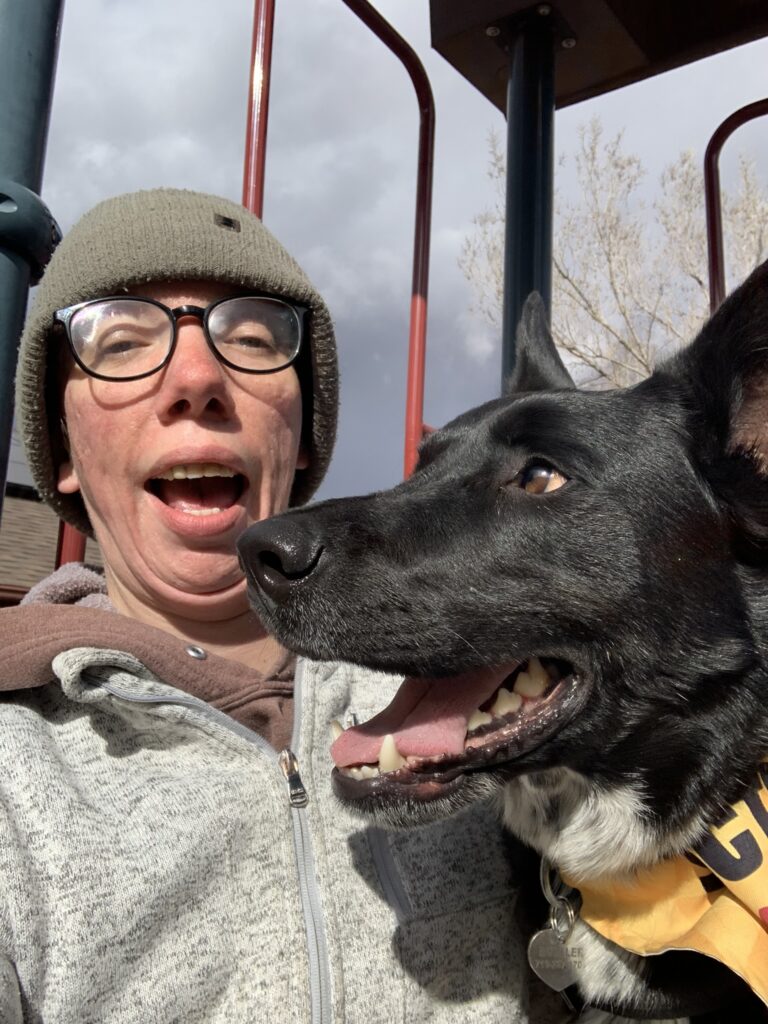
About Anna Tauras
Shaping Values
Anna’s journey with dogs began as a young child with a bite to the face from a family acquaintance’s dog that not only left a lasting scar, but also a spark of curiosity. Later a teenager, she bonded profoundly with an energetic, emotionally sensitive Labrador named Hershey, and together with Hershey, Anna took her first steps into training dogs. She saw firsthand how compulsion-based management and training recommended by a professional trainer affected Hershey’s emotional well-being, his ability to cope, and eroded his trust. Through Hershey, Anna was led to examine the ethical imperative of constructional, non-coercive behavior intervention. This commitment to welfare ethics is made in Hershey’s memory, and is the bedrock of this practice. Hershey and Anna remained together into her mid-20s.
Grounded in Compassion
In her mid 20s, Anna began her own mental health journey. Over a decade of active recovery from PTSD developed an ever deepening understanding of the healing journey that so many dogs, and their human companions, experience together. Anna’s hope is to continue building a trauma-informed behavior consulting practice that can meet people and dogs where they are, informed by the belief that the welfare of dogs and people are inextricably linked.


Supported by Education
Anna had previously built a pet care services business, and found herself working increasingly with dogs facing complex behavioral challenges. Caring for overwhelmed, fearful, anxious, reactive, and aggressive dogs inspired Anna to learn more about their needs, and explore constructive ways to improve their lives.
Driven by the transformative experience of being deeply understood in her own wellness journey and a curiosity to learn the inner workings of her doggie friends, Anna pursued further education and became certified through a domestic canine applied ethology professional development program as a Family Dog Mediator, among other notable programs.
Committed to ongoing continuing education, Anna now shares her expertise to help dogs and their families co-author the evolving story of their lives together.
Growth through Experience
“Feel safe first, then think”
Anna has been a practicing dog trainer for nine years, working in the beginning with pet care clients on accessibility, management, and behavior change strategies for dogs who pull a lot, perform predation behaviors, or can be “reactionary” during walks.
Anna specializes in behavior cases involving reactivity, over-excitement. General training experience includes predation substitution training, cooperative husbandry skills for grooming and vet care, introducing new pets into the home around other pets or children, shaping for neutrality and relaxation at home and in public, teaching safe play between humans-dogs and dogs-dogs, leash and off-leash skills, basic manners skills, and the development of broad cognitive skills through concept training.
*Saga Dog Behavior retains case supervision from either a DVM DACVB, or IAABC certified CDBC consultancy on any cases involving existing behavior with potential to cause harm to the dog or to others, in the event that such cases are not directly referred out.
About Family Dog Mediation®
Comprehensive training in domestic canine applied ethology provides behavior consultants with the scientific foundation, practical skills, and critical thinking necessary to assess and support dogs in a way that aligns with their natural behavioral needs, welfare, and species-specific adaptations. This background goes beyond conventional dog training methodologies by integrating behavioral science, welfare ethics, and real-world applications of ethological principles.
- Deep knowledge of species and breed group-specific behavior and the evolutionary adaptations that shape modern domestic dogs.
- Analysis of how genetic, environmental, and experiential factors influence behavior.
- Critical evaluation of training methodologies, interventions, and industry norms through an ethological and welfare-based lens.
- Development of individualized intervention plans that prioritize welfare, emotional regulation, and long-term behavioral stability.
FAMILY DOG MEDIATION® EDUCATION CENTER PRESENTS:
The Dog’s Truth
Learn why dog behavior struggles happen, how a dog’s Learning, Environment, Genetics, and Self shape who they are, and how Family Dog Mediation® offers a new path—one grounded in understanding.:
*The Dog’s Truth is a Family Dog Mediation® Education Center production by Kim Brophey.
Meet the Support Staff
AKA “some Regulars”
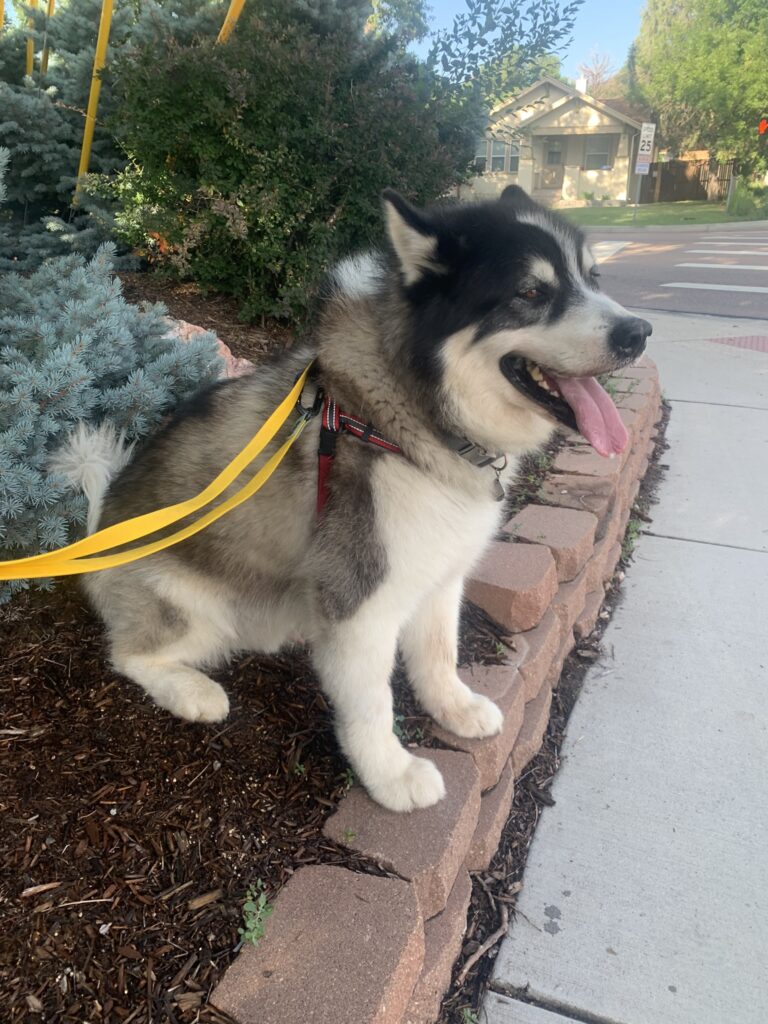
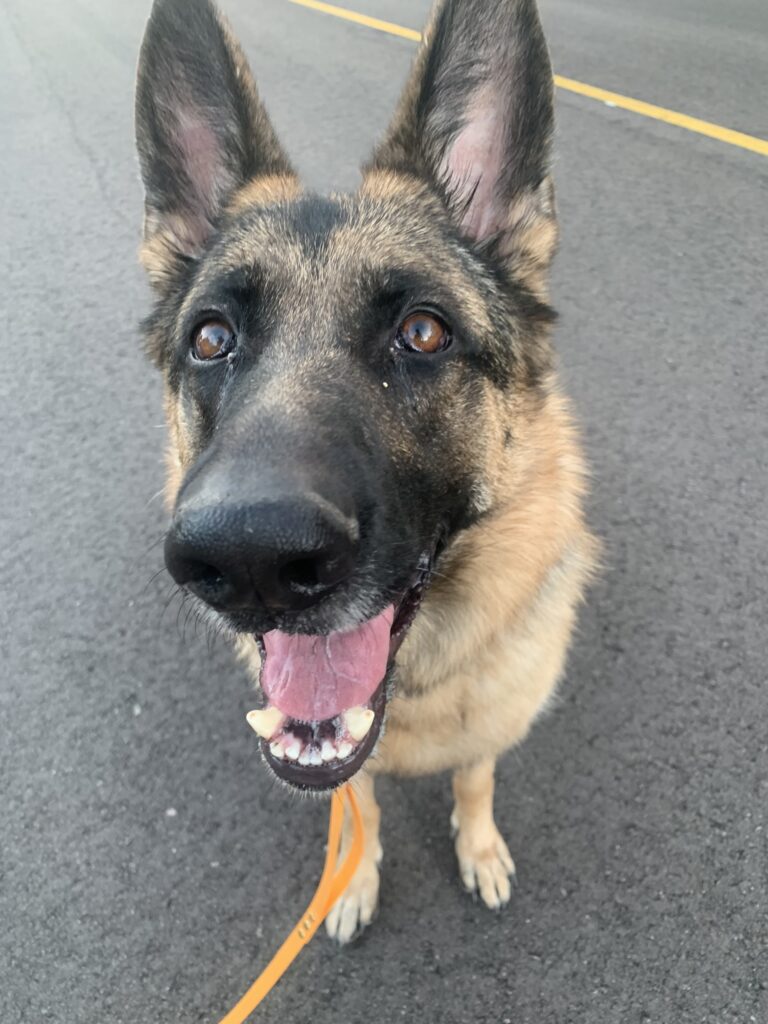
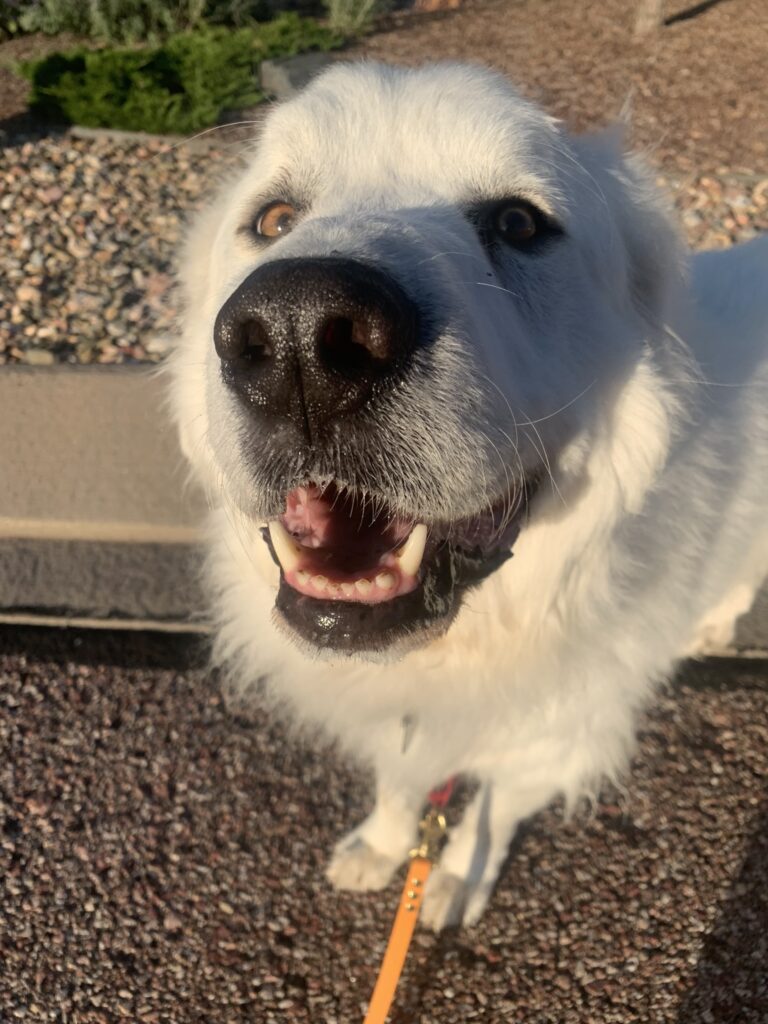
FAQs
Welfare: what are the fundamental behavioral health needs dogs have?
Dogs have essential welfare needs that go far beyond access to food, water, and shelter. At the heart of behavioral health is emotional and nervous system homeostasis—the ability to maintain a balanced internal state where stress is experienced in manageable ways rather than becoming overwhelming. When a dog’s stress levels are regulated, they are more capable of adapting to challenges, forming secure attachments, and engaging meaningfully with their environment.
A stable, understandable environment is a crucial component of managing stress for dogs. They need predictable cues, consistent social feedback, and clear patterns to build a reliable mental map of their world. This sense of predictability fosters emotional security and reduces the cognitive burden of uncertainty or fear. Choice and agency are equally vital; when dogs can influence their experiences—choosing how to interact, explore, or withdraw—they build confidence, resilience, and self-trust.
Social needs are another critical component of behavioral health. Dogs are deeply social animals, and the presence of secure, trusting social bonds is a major contributor to emotional regulation and homeostasis. Forming secure attachments supports a dog’s ability to recover from stress, process environmental challenges, and build lasting resilience. Inconsistent, unpredictable, or emotionally invalidating relationships can leave dogs more vulnerable to anxiety, frustration, and behavioral instability. Building and maintaining secure attachments forms an essential foundation for overall well-being.
Finally, functional behavioral diversity is a key pillar of welfare. This means supporting a dog’s ability to engage in a broad range of species-typical behaviors such as foraging, exploring, problem-solving, resting, social play, and affiliative behaviors. Encouraging a rich behavioral repertoire allows dogs to meet internal motivational needs, process experiences adaptively, and maintain cognitive and emotional flexibility.
When these interconnected needs are honored—emotional regulation, environmental clarity, agency, secure social bonds, and behavioral richness—dogs are empowered to thrive, not just behaviorally, but across every dimension of their well-being.
What is behavior modification according to Saga?
“Behavior Modification” is what the industry calls therapy for dogs.
Behavior modification is an intentional, structured process rooted in a deep understanding of each dog’s unique context. The pathway to positive change begins with thorough information gathering—considering health, environment, risk factors, and the functional purpose behind behaviors. Using careful observation and analysis, we identify the underlying causes of behavior rather than addressing surface-level symptoms. From this foundation, we design and implement personalized intervention plans that expand behavioral options, support emotional regulation, and promote adaptive coping strategies.
Progress is continuously evaluated, with ongoing reassessment and responsive adjustments to ensure the approach remains effective and appropriate. Success is measured not only by behavior change, but by the overall impact on the dog’s wellbeing—during and beyond the intervention itself. This collaborative process is designed to create meaningful, sustainable outcomes that honor both the emotional life and lived experience of each dog.
At Saga Dog Behavior, behavior modification is rooted in applied ethology, physiological basis of behavior (neuroethology), learning science, and relationship-based intervention (secure attachment focus). The impact of behavioral therapy for dogs includes:
- Reducing chronic stress, fear, anxiety, or reactivity
- Helping dogs feel safer and more capable in their environment
- Improving their ability to process, recover, and self-regulate
- Strengthening trust and attachment between dogs and their guardians
- Fostering behavioral flexibility, reducing maladaptive patterns, and supporting long-term well-being
Many of the observable behaviors which prompt pet owners to seek help are often misinterpreted as disobedience but are rather expressions of underlying emotional states. Behavior modification focuses on addressing root causes, helping dogs develop adaptive coping strategies, and ensuring they can navigate the world with greater confidence and resilience.
What is dog training according to Saga?
Dog training is the intentional, structured process of teaching dogs new functional skills with clarity, consistency, and respect for their cognitive, social, and emotional needs. At Saga Dog Behavior, training focuses on building fluency in specific behaviors through positive reinforcement based methods. Some examples might include giving the dog appropriate ways to ask for what they want, building a repertoire of leash walking skills, off-leash skills, impulse control around valued resources, or cooperative husbandry related behaviors like holding still for a physical exam.
Unlike behavior modification, which addresses emotional distress and maladaptive coping, training strengthens functional skills in dogs who are already cognitively and emotionally regulated enough to learn effectively.
The goal of training is threefold:
- To reduce the intrusiveness or inhibiting effects of management methods and increase management accessibility for the human.
- We must use management to keep our dogs safe, and we can use training to make management processes collaborative.
- To reduce conflict by introducing intentionally evaluated clarity of expectation.
- And to enrich the dog’s life by promoting a diversity of functional, rewarding behaviors.
Training success is measured not only by the reliable performance of skills but also by the degree to which learning improves communication, strengthens relationships, and supports the dog’s welfare. This collaborative process is designed to foster adaptability, confidence, and well-being in both dogs and their families.
How do I know if I need dog training, or behavior modification?
The distinction between training and behavior modification begins with understanding what drives the behavior and whether the dog’s emotional state supports effective learning. Training is appropriate when a dog is emotionally regulated and ready to build new operant skills—such as loose-leash walking, coming when called, or practicing cooperative care—through structured positive reinforcement. Training focuses on teaching skills that promote smoother management, reduce everyday conflict, and enrich the dog’s life.
Behavior modification, on the other hand, becomes necessary when a dog’s behavior reflects chronic stress, fear, anxiety, or difficulty coping with their environment. If a dog is lunging, barking, hiding, shutting down, or struggling with reactivity, the focus must shift to regulating emotional and physiological responses first, rather than asking the dog to perform new tasks.
In many cases, both training and behavior modification are integrated thoughtfully over time. A dog working through fear or anxiety might simultaneously learn foundation skills that increase predictability, create positive structure, and open up more opportunities for choice and agency. However, when a dog is actively dysregulated, behavior modification must take precedence to ensure that learning is humane, functional, and truly supportive of emotional well-being.
Choosing the right path depends on respecting where the dog is emotionally, not just what behaviors we wish to see. Together, we tailor the approach to meet both the dog’s immediate needs and long-term success.
What is Learner Centered Training?
Learner Centered Training is a method that places the dog’s agency, communication, and emotional welfare at the heart of the learning process. This approach recognizes that dogs are not passive participants to be commanded, but active learners with essential needs for choice, clarity, and self-expression. Traditional training often centers human expectations, teaching dogs to comply with behaviors that serve people’s goals. In contrast, learner centered training focuses on equipping dogs with tools to communicate their interests, needs, and preferences—enriching their experience and strengthening mutual understanding.
This approach draws from frameworks like B.A.A.R.C.™ (Behavior Analytic Approach to Relational Communication), which teaches dogs generative communication strategies beyond traditional body language. Dogs learn specific gestures and signals that allow them to offer creative suggestions, express needs proactively, and shape their interactions with the world around them. Training is structured to build communication systems, not just behavior repertoires, fostering deeper collaboration between dogs and their human families.
By centering the learner, training becomes not about imposing obedience, but about building a relationship where both dog and human are active, responsive partners. This shift supports not only functional behavior but also emotional well-being, autonomy, and a richer, more respectful shared life.
Is a group class right for my dog?
Group classes can be a valuable learning experience, but they are not the right environment for every dog. At Saga Dog Behavior, we recommend group classes for dogs who are already habituated—meaning they are relatively neutral and relaxed—around other dogs, people, and the typical distractions of a class setting. Dogs who become increasingly excited, stressed, or reactive around these stimuli may require more individualized support before thriving in a group environment.
A good candidate for group class can control their impulses around potential social reinforcers, such as other dogs or humans, and focus on learning even when exciting opportunities for interaction are nearby. Additionally, dogs attending class should be able to tolerate brief, inevitable moments of frustration, waiting, or loss of attention without becoming overwhelmed or distressed.
If your dog struggles with impulse control, frustration tolerance, or is still learning to feel comfortable around new environments or social situations, we may recommend starting with private sessions or behavior modification support to set them up for greater success in future group learning settings.
What factors affect training or behavior intervention outcomes?
Training and behavior intervention outcomes are shaped by many factors, some of which are outside of anyone’s direct control. A dog’s past experiences, genetic predispositions, early socialization history, medical or physical conditions, environmental stressors, and current emotional health can all influence how quickly and successfully they respond to behavior change plans. Even with the most carefully designed and compassionate intervention, these underlying factors can create barriers to progress. This is why Saga Dog Behavior, like all ethical practitioners, cannot guarantee specific outcomes—behavior is dynamic, influenced by complex, living systems rather than linear cause and effect.
The structured process of training and behavior modification is specifically designed to guard against these barriers by building flexibility, responsiveness, and welfare-centered decision-making into every plan. Careful information gathering, continuous progress evaluation, and ongoing reassessment allow us to adapt strategies to meet the dog where they are, rather than forcing them into unrealistic expectations. Our work together emphasizes sustainable improvement over rigid goals, recognizing that progress often unfolds in individualized and sometimes unexpected ways.
Many of the factors most critical to success are within the client’s influence. Commitment to consistent practice between sessions, maintaining a supportive and predictable home environment, and willingness to adjust expectations based on the dog’s emotional needs are essential. Clients who are engaged in learning, open to coaching, and invested in making small, sustainable changes tend to see the strongest, most resilient outcomes.
Success is also supported when clients prioritize their dog’s emotional well-being over short-term behavioral compliance, communicate openly about challenges, and view progress through a compassionate, long-term lens. When guardians commit to building skills alongside their dog—rather than seeking quick fixes—they help create the conditions where meaningful, lasting change can take root.
Send us a message!
Open Monday-Friday
9am-6pm MST
P.O. Box 6147
Colorado Springs, CO 80934 sagadogbehavior@gmail.com Colorado Springs, Colorado & Virtual Consulting